
Building the pathway from classroom to career
The Infrastructure Pathway
Created by Education and Industry, for Education and Industry
The Infrastructure Pathway is a new curriculum connecting Primary, Secondary, and Higher Education with Employment — developed and trialled over three years by educators and industry leaders working side by side. It's a first for Scotland, and believed to be the first initiative of its kind anywhere in the world.
Why It Matters
Delivering a net zero economy, resilient communities, and world-leading digital systems will require thousands of skilled people in engineering, construction, digital technologies, AI, data, and environmental science. Many young people simply haven't discovered these career paths yet. The Infrastructure Pathway exists to change that: Education. Experience. Employment.
How It Was Built
The Pathway and its cornerstone qualification — SCQF Level 6: Global Infrastructure and the Built Environment — were developed through a unique collaboration between:
- Heriot-Watt University
- The University of Edinburgh
- Midlothian Council
- The University of Glasgow (in association)
Industry partners Mott MacDonald and Scottish and Southern Electricity (SSE) helped shape the programme, with additional support from Bentley Education.
This means students work directly with universities and industry on real projects, so the qualification combines academic rigour with genuine industry relevance — preparing learners with the knowledge, skills, and professional competencies to progress into higher education and careers across infrastructure and the built environment.
A Living Curriculum
This is a bold education, skills, and workforce vision — built to stay dynamic. Rather than staying fixed, the curriculum will keep evolving alongside industry needs, preparing young people for the world of work they'll face in the future, not just today.
The Pathway creates one continuous journey: primary school → secondary education → college → university → apprenticeships → employment — linking classroom learning to real infrastructure, local communities, and future careers. Every learner should be able to see, understand, and access the opportunities within Scotland's evolving infrastructure economy.
Looking Ahead: The Digital Twin of Scotland
At the heart of this vision is an ambitious long-term goal: building a National Dataset — the Digital Twin of Scotland — built by education, for education, and connected to industry.
Bentley Systems is supporting this by providing free access to its iTwin and Cesium development platforms, helping advance knowledge of Digital Twins so industry can design, build, and operate the world's infrastructure.
The Qualification at a Glance
SCQF Level 6 — Global Infrastructure and the Built Environment
- Widely accepted by Scotland's universities for admissions
- Delivered in partnership with industry
- Supported by universities
- Successfully delivered by Midlothian Schools for two years running
Together, education and industry can build the talent pipeline Scotland needs — and a stronger, more resilient Scotland, powered by its next generation of leaders, thinkers, and innovators.
About Us
We are a small team of enthusiasts bringing together education and industry to support the young workforce into further and higher education, and into industry.
Core Team
-
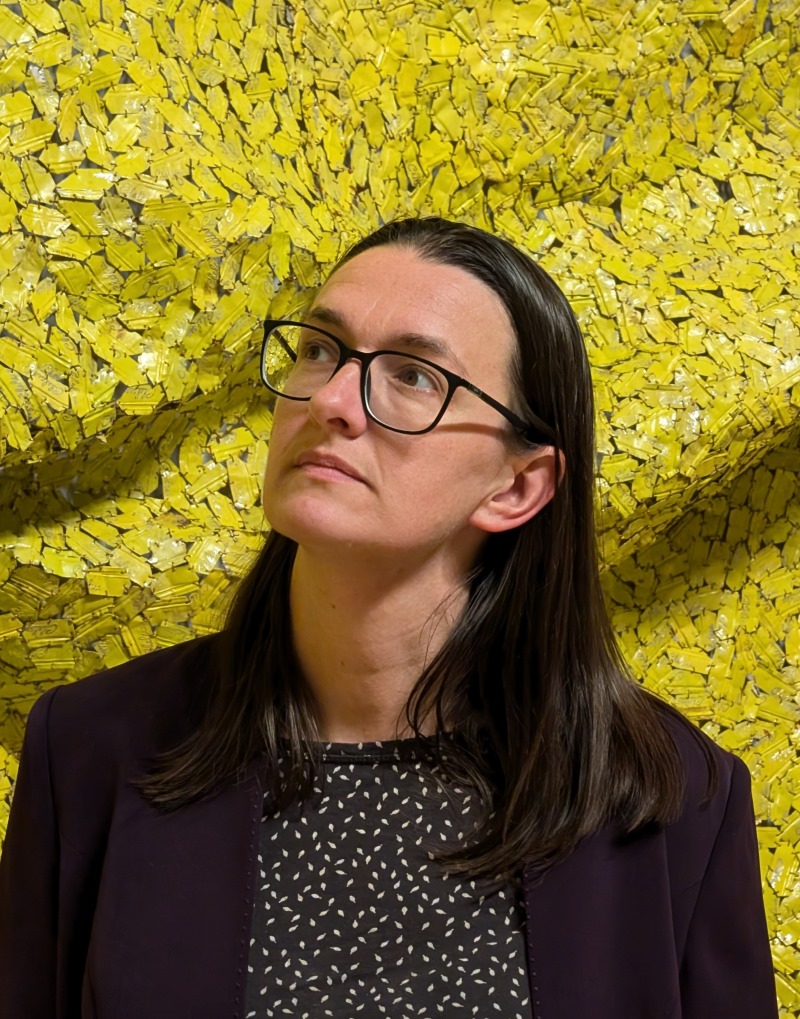
Alex McLaren
Associate Professor, RIBA/RIAS Chartered Architect and Fellow of the RSA and HEA, Heriot-Watt University.
-

David Robertson
Dip Arch (Oxford), Director – University Partnerships, Bentley Education.
-

Mark Holden
BTechEd Hons, Lead Teacher, Architecture, Engineering and Infrastructure Design, Midlothian Council.
-

Alakbar Zeynalzade
Freelance Senior Software Engineer
alak.bar (opens in a new tab) -

Tommy Lawson
Data and Digital Learning Specialist Teacher, University of Edinburgh.
-

Fred Bosche
Reader in Construction Informatics, University of Edinburgh
We work in association with learners, teachers, schools, further and higher education and government bodies to support our youngsters into the construction, engineering and associated industries.
News
Digital Twin of Scotland
As part of our work to build this new innovative curriculum, we have developed a digital twin of Scotland. This will be used by learners and teachers in their course work.